
"Venezuelan Typica"
6400 article(s) found
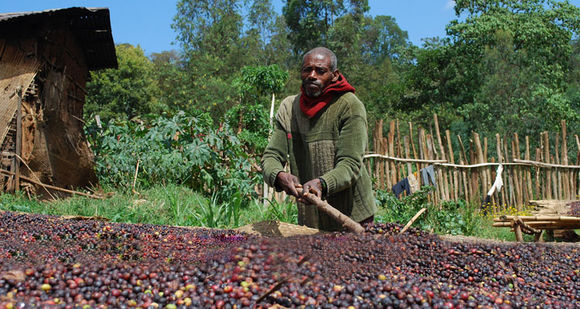
The mixture of the Pablo and Pulido families of Merida Caracas at the foot of the Venezuelan Andes
Venezuela's distinctive manor coffee comes from this oil-rich country. Oil was once considered to be the main export of Venezuela. Although coffee trees were introduced from Martinique in 1730 and Venezuela, coffee production was almost abandoned at the height of the oil industry. Recently, the coffee plantation has begun to recover, and the original Tippica (

Introduction of Coffee Manor in Venezuela-San Cristobal
The coffee produced in Venezuela is different from other coffee in Latin America. It tastes delicious, sour and has delicious fruit. This kind of coffee is most suitable for medium to deep roasting, which can not only be mixed but also has its own characteristics. Most of the country's coffee is exported to Russia, Colombia and other places, and some small plantations export coffee on their own. In many industries, Venezuela

Delicious, light introduction to Venezuelan coffee from Latin America
Alaganeza, Santa Ana, Tacira. Other premium product names are: Maracaipos, Merida, Trujillo, San Philo Mona and Kukuta. One of the many plantations in Merida at the foot of the Andes belongs to the Pablo and Pugali families, an ancient farm that has been allowed to downsize. Since taking over the farm in the early 1980s

The Story of the Historical Origin of Venezuelan Coffee-the present situation of Coffee Variety producing areas in Venezuela
Professional coffee knowledge exchange more coffee bean information please follow the coffee workshop (Wechat official account cafe_style) the Caribbean Islands have always been the trade center between South America and the Old World (Europe). Merchants, missionaries and slaves brought coffee all the way from Europe to Venezuela, among which they had to write El Orinoco Ilustrado (The Orinoco Ilustrat).

The San Cristobal producing area of the coffee farm in Venezuela
Venezuelan Coffee Coffee Venezuela's distinctive manor coffee comes from this oil-rich country. Oil was once considered to be the main export of Venezuela. Although coffee trees were introduced from Martinique in 1730 and Venezuela, coffee production was almost abandoned at the height of the oil industry. Recently, coffee plantations have begun to resume.

What kind of coffee do you have? How much is a cup of Venezuelan coffee?
For more information on coffee beans, please follow the coffee workshop (official Wechat account cafe_style). There are four kinds of coffee trees in the world, namely, Arabica, Robustra, Liberica and Arabusta. But there are only two kinds that have real commercial use and have been planted in large quantities. One is Elaraby.

The development of Venezuelan coffee began with the founding of the people's Republic of China in 1830. How do you evaluate their coffee?
Professional coffee knowledge exchange more coffee bean information please pay attention to the coffee workshop (Wechat official account cafe_style) this is generally brewed with a professional coffee machine, not instant coffee, you can see after you open it, he is very pure ANZOATEGUI: is a state in eastern Venezuela, Ansoatjee state puro cafe: 100% pure coffee

Global coffee producing area-Venezuela
Venezuela introduced coffee trees from Martinique as early as 1730, but coffee production was almost abandoned at the height of the oil industry. Recently coffee plantations have begun to recover, with original Tipica and bourbon coffee trees and new plantations.
Coffee producing areas in Venezuela
Venezuela introduced coffee trees from Martinique as early as 1730, but coffee production was almost abandoned at the height of the oil industry.

Coffee producing areas of Venezuela introduce San Cristobal
The best coffee names in Venezuela are: Montebello in San Cristobal (SanCristobaldeTachira) in Tazira, Miramar in Rubio (RubiodeTachira) in Tazira, Granija in Timothe (TimotedeMerida) in Merida, and Santa Ana in Tacira (SantaAnnade)

Coffee from Venezuela
Coffee trees were imported from Martinique as early as 1730, but coffee production was almost abandoned during the heyday of the oil industry. Coffee plantations have recently begun to revive, with the old Tipica and Bourbon trees and new plantations laying the groundwork for coffee exports.

Introduction to Venezuelan Coffee-San Cristobal Coffee
The topography of Venezuela can be divided into three regions: first, the northwest and northern mountains, mainly the Merida Mountains, the northeast branch of the Andes, is the largest mountain range in the country, with year-round snow, glaciers and frequent earthquakes. The peak of Bol í var is 5007 meters above sea level, which is the highest point in the country. In the northwest of the Merida Mountains, there is the largest lake in South America-Mara.

The coffee producing area of Venezuela.
Venezuela introduced coffee trees from Martinique as early as 1730, but coffee production was almost abandoned at the height of the oil industry. Recently, coffee plantations have begun to recover, with original Tipica and bourbon coffee trees and new plantations laying the foundation for coffee exports.
Global Coffee producing area Venezuela Coffee Market
Venezuela introduced coffee trees from Martinique as early as 1730, but coffee production was almost abandoned at the height of the oil industry. Recently, coffee plantations have begun to recover, with original Tipica and bourbon coffee trees and new plantations laying the foundation for coffee exports.

Venezuela's coffee producing region Venezuela's coffee market
Coffee trees were imported from Martinique as early as 1730, but coffee production was almost abandoned during the heyday of the oil industry. Coffee plantations have recently begun to revive, with the old Tipica and Bourbon trees and new plantations laying the groundwork for coffee exports.

Introduction to the main economies of the coffee-producing countries of Venezuela
Venezuela's main economic source industry is relatively developed, focusing on the development of iron and steel, petrochemical, aluminum smelting and other industries since the 1970s. Agricultural arable land accounts for only 7.1% of the arable land area, mainly producing corn, rice, coffee, cocoa, sugar cane, cotton and so on. Animal husbandry is mainly cattle raising, and agricultural and animal husbandry products are not self-sufficient. Crude oil and its products account for more than 90% of the total export value, followed by iron

The Starbucks LOGO, which was once copied, appeared here.
At the end of December 2021, Starbucks Coffee, which opened in Caracas, Venezuela, attracted the attention of many netizens. Today, the same LOGO appears not only in Venezuela, but even in American colleges and universities. Friends who are impressed by the fake Starbucks may

Edible cookies, coffee cups, edible coffee cups.
This Cookie Cup is an alternative coffee cup designed by Venezuelan designer Enrique Luis Sardi for Italian coffee company Lavazza. It is made of sugary starch and covered with pastry. It is just a cookie, but it takes into account the function of the cup. At afternoon tea time, do you drink coffee first or have a snack first? Let the glass decide for you. Drink first.

What are the functions of coffee beans?
Sweet Colombian metenin, Venezuelan old beans, Blue Mountains, Gillemazaro, Mocha, Guatemala, Mexico, Kenya, Santos, Haiti. Neutral Brazil, El Salvador, lowland Costa Rica, Venezuela, Honduras, Cuba. Mellow Colombian metenin, Mocha, Blue Mountains, Guatemala, Costa Rica. Generally speaking, acid

San Cristobal, the most famous coffee variety in Venezuela
The best coffee names in Venezuela are: Montebello in San Cristobal (San Cristbal de Tachira) in Tazira, Miramar in Rubio (Rubio de Tachira) in Tazira, Granija in Timothe (Timote de Merida) in Merida, and Santa Ana in Tacira (San)